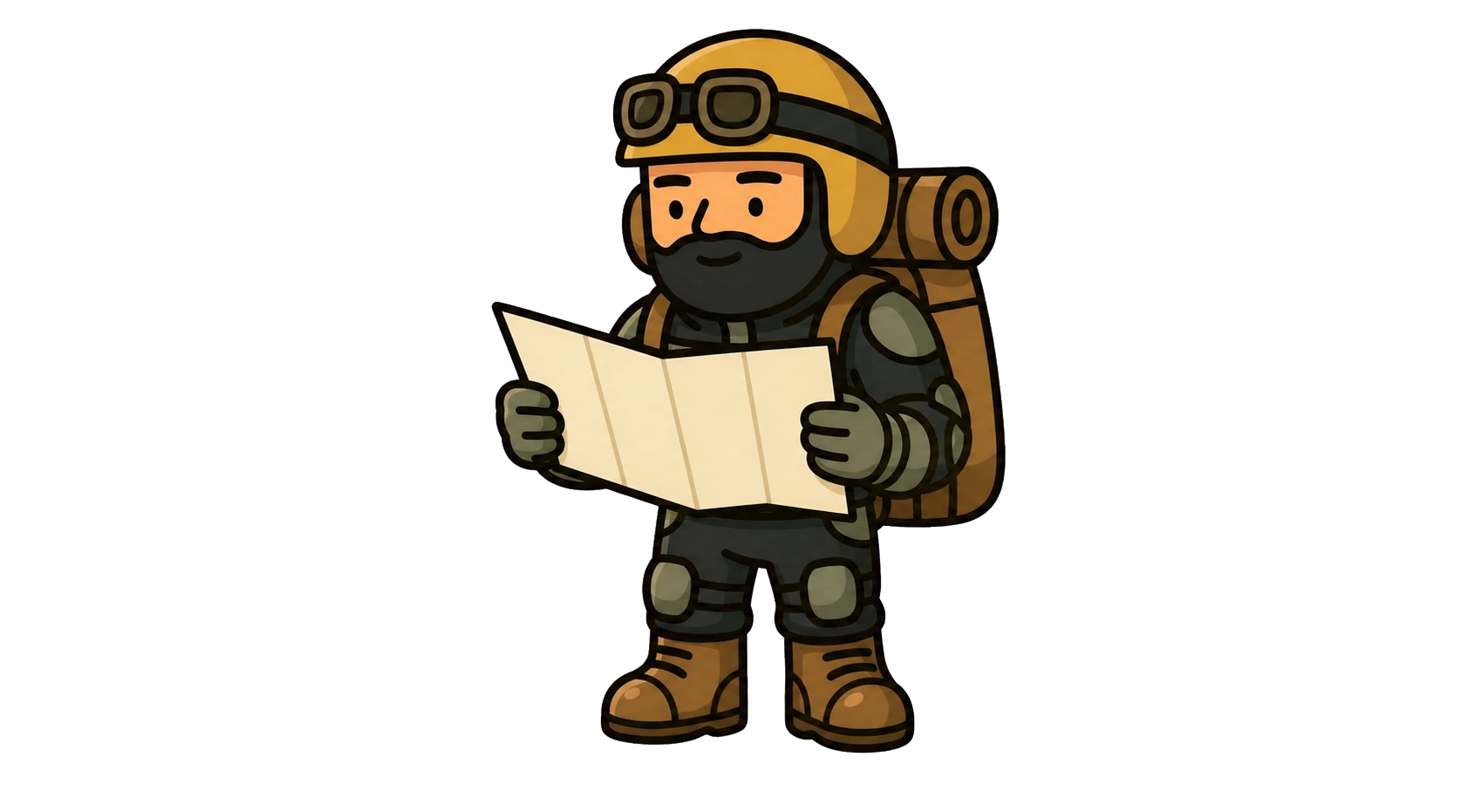
ABOUT ROVE SIGNAL
Intelligence for moving where the route stops being obvious.
Rove Signal turns scattered signals from the road into useful context for planning, reading the terrain and making clearer decisions.
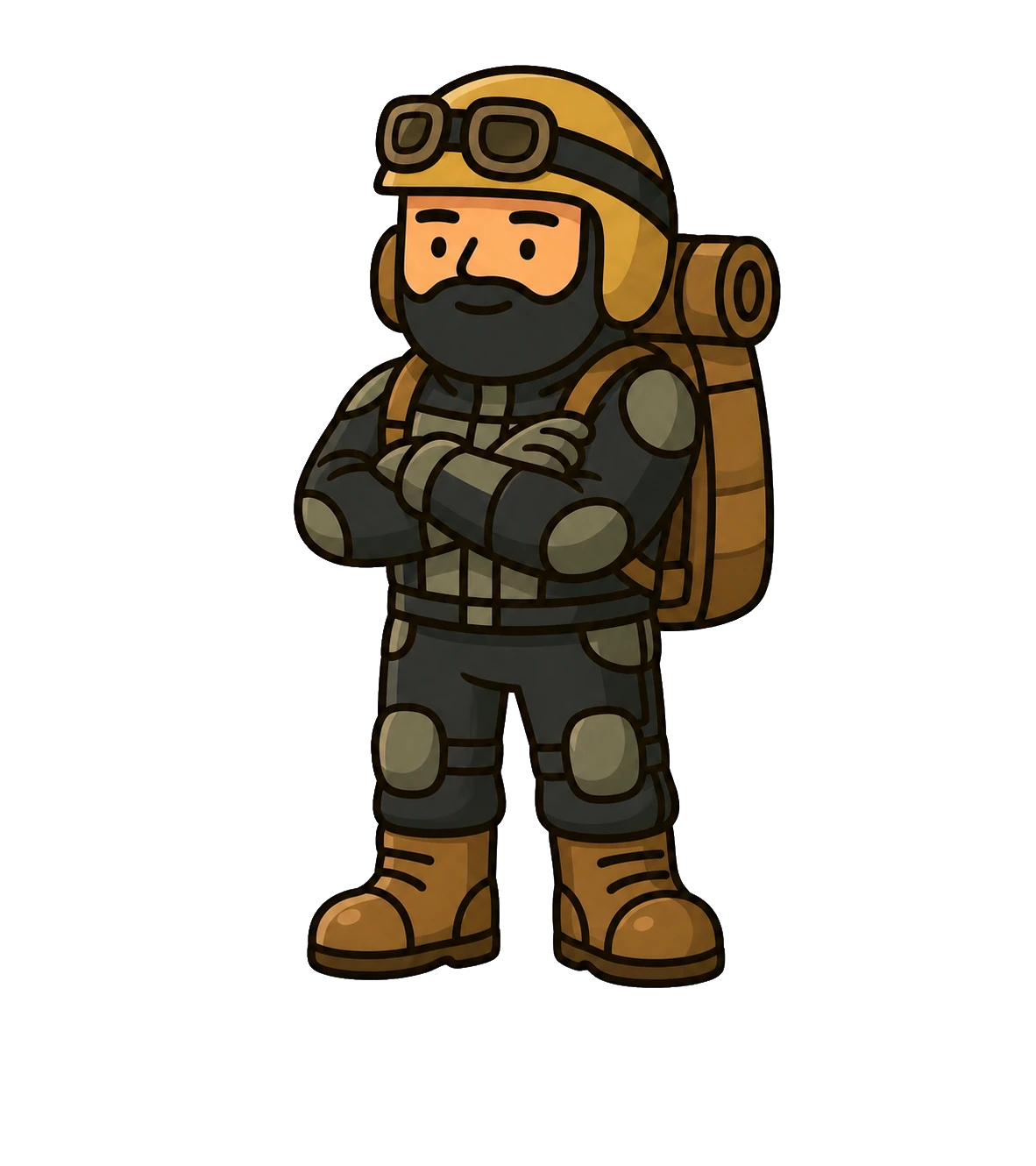
THE NAME DEFINES THE MISSION
Two ideas. One direction.
Each word explains one part of the system; together they express how we understand route intelligence.
ROVE
Tactical movement through difficult terrain
Rove means moving with intent: exploring a route, recognizing its changes and adapting the plan when terrain or conditions demand it.
SIGNAL
Telemetry, connection and intelligence
Signal brings together data and evidence—tracks, elevation, gradients, surfaces and alerts—and turns them into context people can interpret.
ROVE + SIGNAL
A strategic command center
We are not a help desk or a tourism app. We are a route-intelligence brand: a common point for reading signals, understanding risks and preparing the next move.
FROM DATA TO DECISION
What does a route command center do?
It organizes the information that matters before and during a journey. It does not decide for you: it helps you see the situation more clearly.
- Read the terrainUnderstand distances, elevation, gradients, surfaces and changes by kilometer.
- Connect signalsBring together technical data, creator experience, places, content and warnings.
- Decide with contextCompare the route with your circumstances and prepare an informed decision.
BEHIND THE SIGNAL
Juan Felipe Varner, founder of Rove Signal
Motorcyclist · Developer · Visual storyteller
Juan Felipe combines first-hand experience on less-travelled roads with a technical, investigative mindset. His work connects field observation, evidence gathering and digital product development to turn complex problems into understandable decisions.
Rove Signal grew from that intersection: not separating technology from terrain, but designing it around what actually happens during a journey.
A REAL PROBLEM, A PRACTICAL RESPONSE
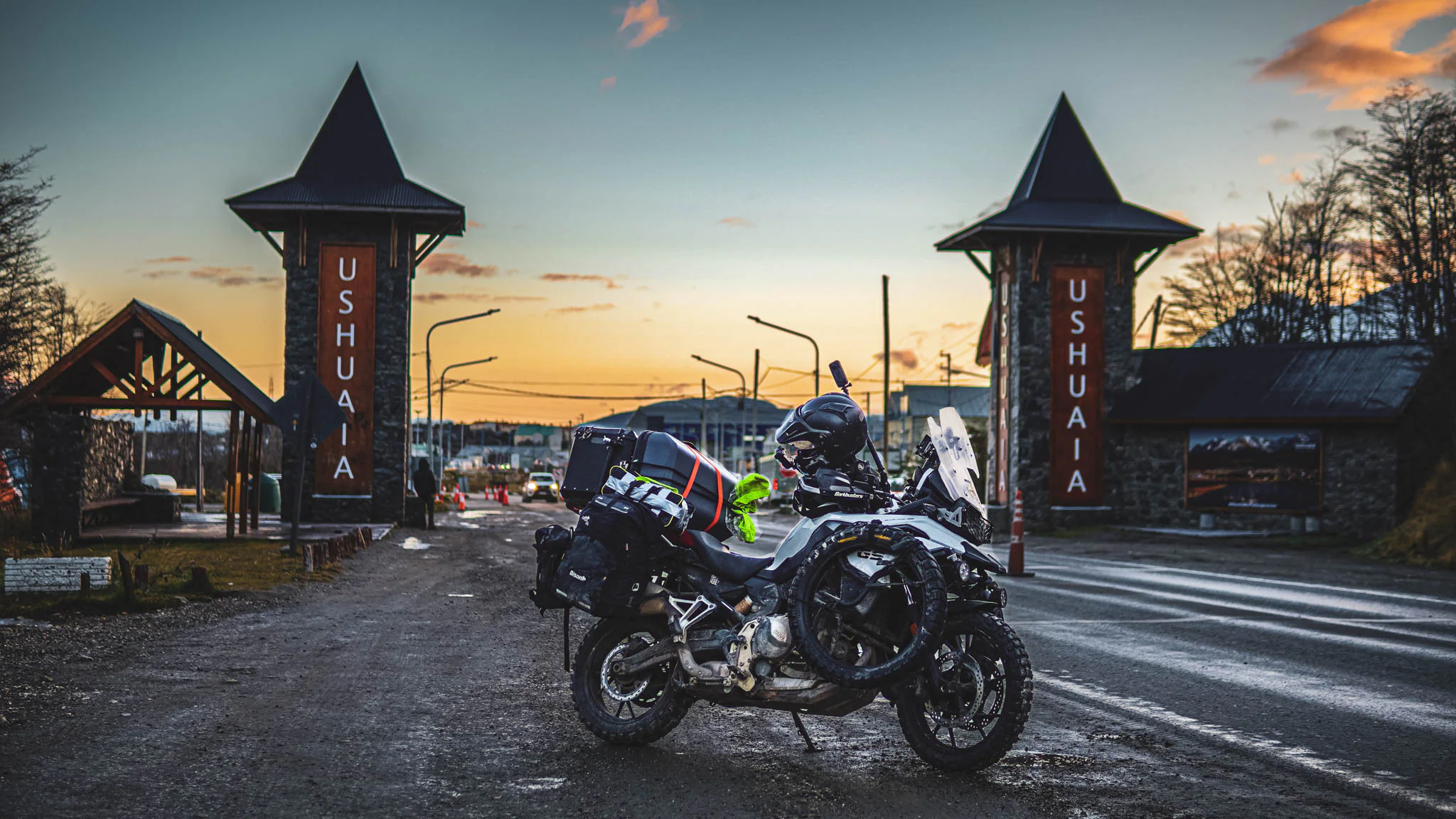
Two hundred kilometres from Ushuaia, the route changed the rules.
After travelling nearly 15,000 kilometres, a police checkpoint stopped the journey because the motorcycle did not have the winter tyres required in Tierra del Fuego. Juan Felipe researched alternatives in Río Grande and worked with a local shop to add metal studs to his tyres. He then returned to the checkpoint, had the solution validated by the authorities and continued through Paso Garibaldi.
This is not mechanical advice. It is an example of observing a constraint, researching it, seeking technical support and checking a response before moving on. That applied creativity inspires how Rove Signal approaches route problems.
WATCH THE USHUAIA EPISODEHOW THE PROJECT IS FUNDED
Your support makes it possible to keep building.
Income from Rove Assist remote accompaniment, for 1, 7 or 15 days, helps fund the development and maintenance of Rove Signal. You can also make a one-time voluntary contribution through PayPal without requesting accompaniment.
Support the projectYOUR NEXT SIGNAL
Explore with information. Decide with judgment.
A documented route provides context, but conditions change. Verify the terrain and always keep the final decision in your hands.